
1 hr
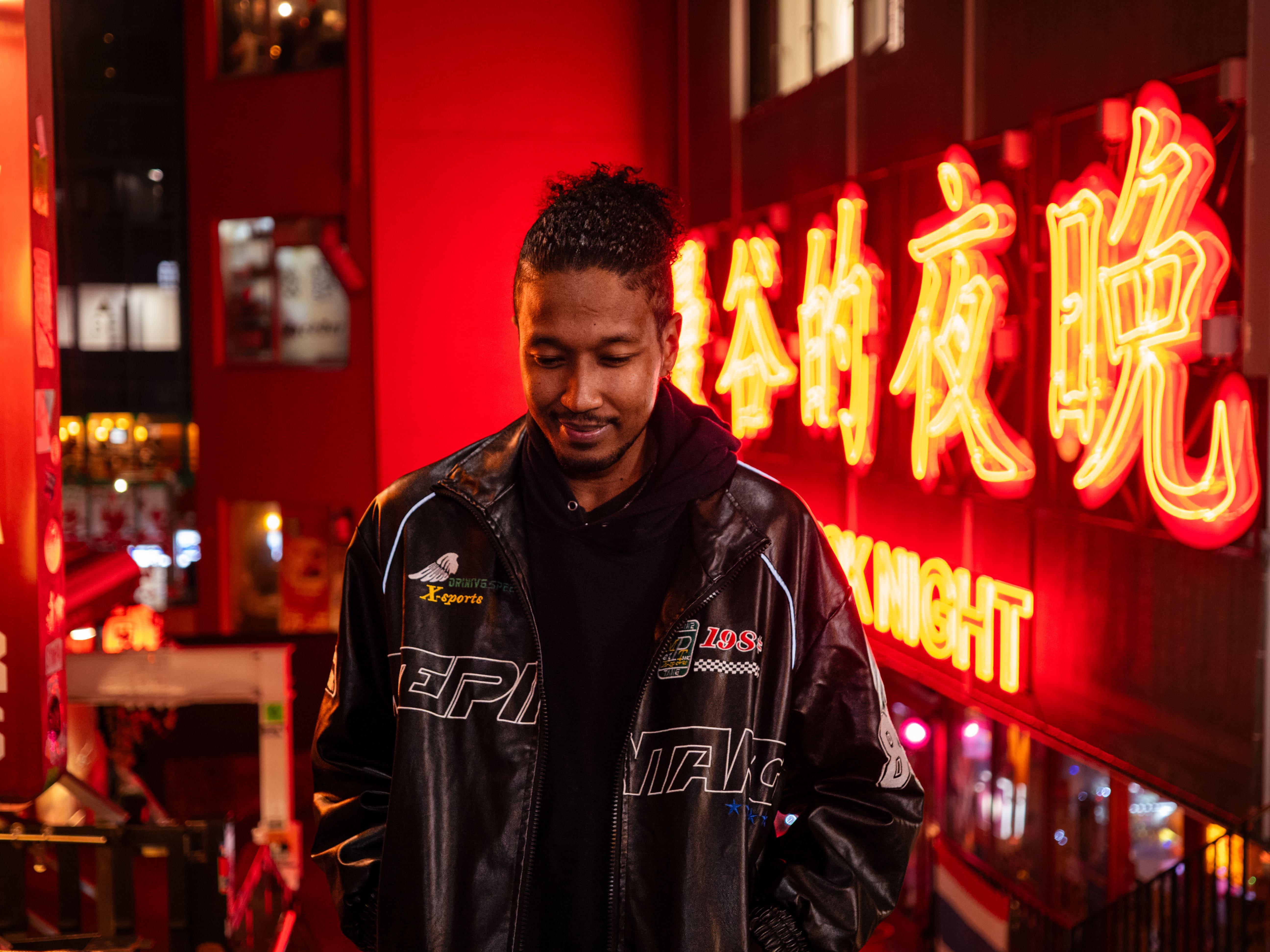
Shibuya Neon Nights: Private Photography Experience in Tokyo
- Private experience
- Personal attention
- Premium amenities
- Free cancellation
Private Tours Shibuya — Local Guides & Reserved Walking Routes
Neon over the crossing, quiet lanes behind it.
Compare fares, pick the fit — all bookings are mobile-voucher and eligible for free cancellation where shown.
1 hr
6 hr
Worth it for first-timers, skippable for repeat visitors
Entry to Shibuya itself costs 0 JPY, so private tours shibuya tickets are pure convenience spend on top of a free district. Operator rates vary, but a private guide typically runs several times a group ticket. What that buys is concrete: hotel pickup, a route bent around your interests, and a guide who reads the pace instead of herding twelve strangers past the Shibuya scramble crossing and Hachiko statue. For a first Tokyo visit landing jet-lagged, that flexibility earns its keep. Confident travelers who can read a train map get most of the same Shibuya landmarks self-guided for nothing. The honest split: private tours shibuya tours pay off for families, nervous navigators, and short trips where wasted hours cost more than yen. If you value control over budget, book the private shibuya walking tour; if you value budget over hand-holding, walk it yourself.
Bottom line: Book a private tours shibuya tour if control and comfort outweigh cost; otherwise the free scramble crossing rewards a self-guided walk just as well.
If you want a custom route and one guide's full attention, private tours Shibuya options beat small-group walks; if budget matters more than flexibility, a shared Shibuya highlights walking tour still covers the essentials.
|
Top pick Private Tour |
Small-Group / Free Walking Tour | |
|---|---|---|
| Group size | 1 person or your own party only | 8–20 travelers per group |
| Route flexibility | Fully customizable stops and order | Fixed route, set by operator |
| Typical price | US$150–$400+ per group | ¥0–¥19,800 (US$0–$130) per person |
| Pace and stops | Set your own pace, linger anywhere | Timed stops, keeps to schedule |
| Language and guide attention | One guide, undivided attention | Shared attention across the group |
| Best for | Families, couples, tailored interests | Solo travelers, budget-conscious visitors |
| See tickets & prices |
Verdict: Choose a private Shibuya landmarks tour for a tailored pace and undivided guiding, or a small-group walking tour for a lower per-person cost and a ready-made itinerary.
Hand-picked experiences loved by thousands of travelers
8 hours
Free Cancellation
Explore Tokyo your way on an 8-hour private tour tailored to your pace, interests, and must-see list.
Full day (approx. 8–9 hours)
Free Cancellation
Explore Tokyo's iconic landmarks in comfort on a fully customized private guided tour.
2 hours
Free Cancellation
Two hours exploring Shibuya's iconic crossing, skyline views, and pop culture hotspots with a local guide.
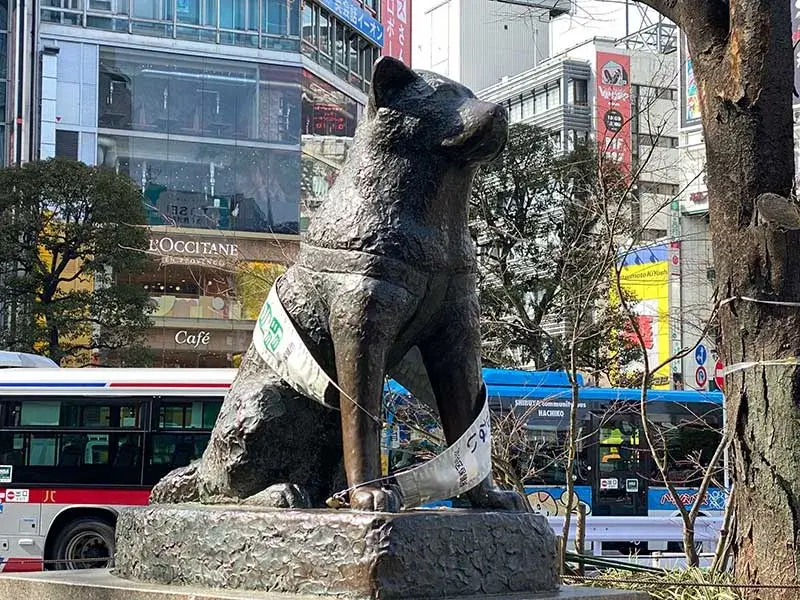
Meet at the bronze statue of the loyal Akita dog just outside Shibuya Station's Hachiko Exit, the district's default rendezvous point.
Cross the scramble intersection at least once and watch a full signal cycle from the sidewalk, when up to 3,000 pedestrians move through at once.
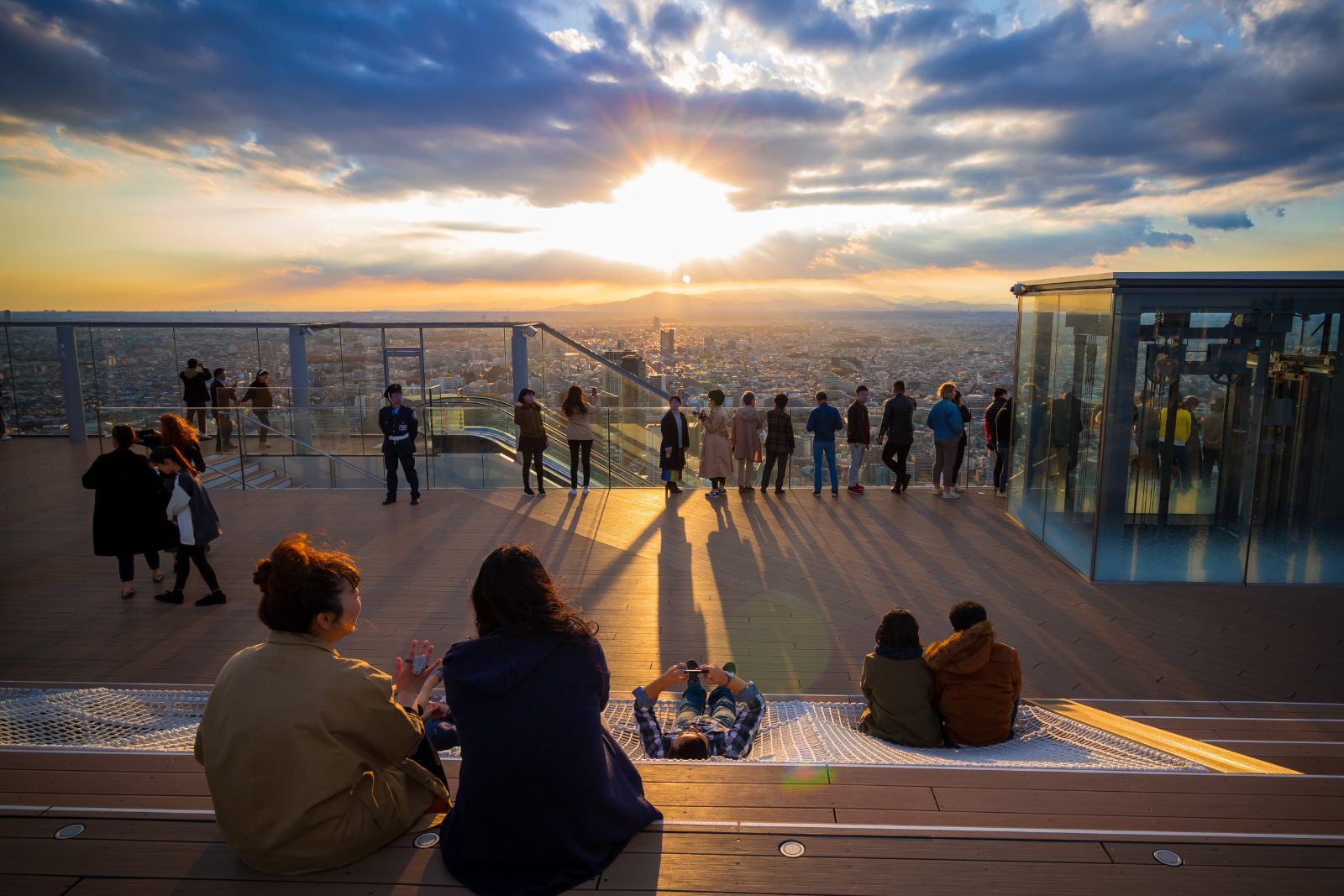
Ride the elevator inside Shibuya Scramble Square up to the 46th and 47th floor open-air deck for a 360-degree view over the crossing below.
Walk the pedestrian shopping lane running north from the crossing, lined with boutiques, arcades, and street food stalls.
Follow the quieter promenade north toward Harajuku, passing independent boutiques and cafes before reaching Omotesando Avenue.
Finish with a walk through the forested shrine grounds dedicated to Emperor Meiji, a short walk from Harajuku Station.
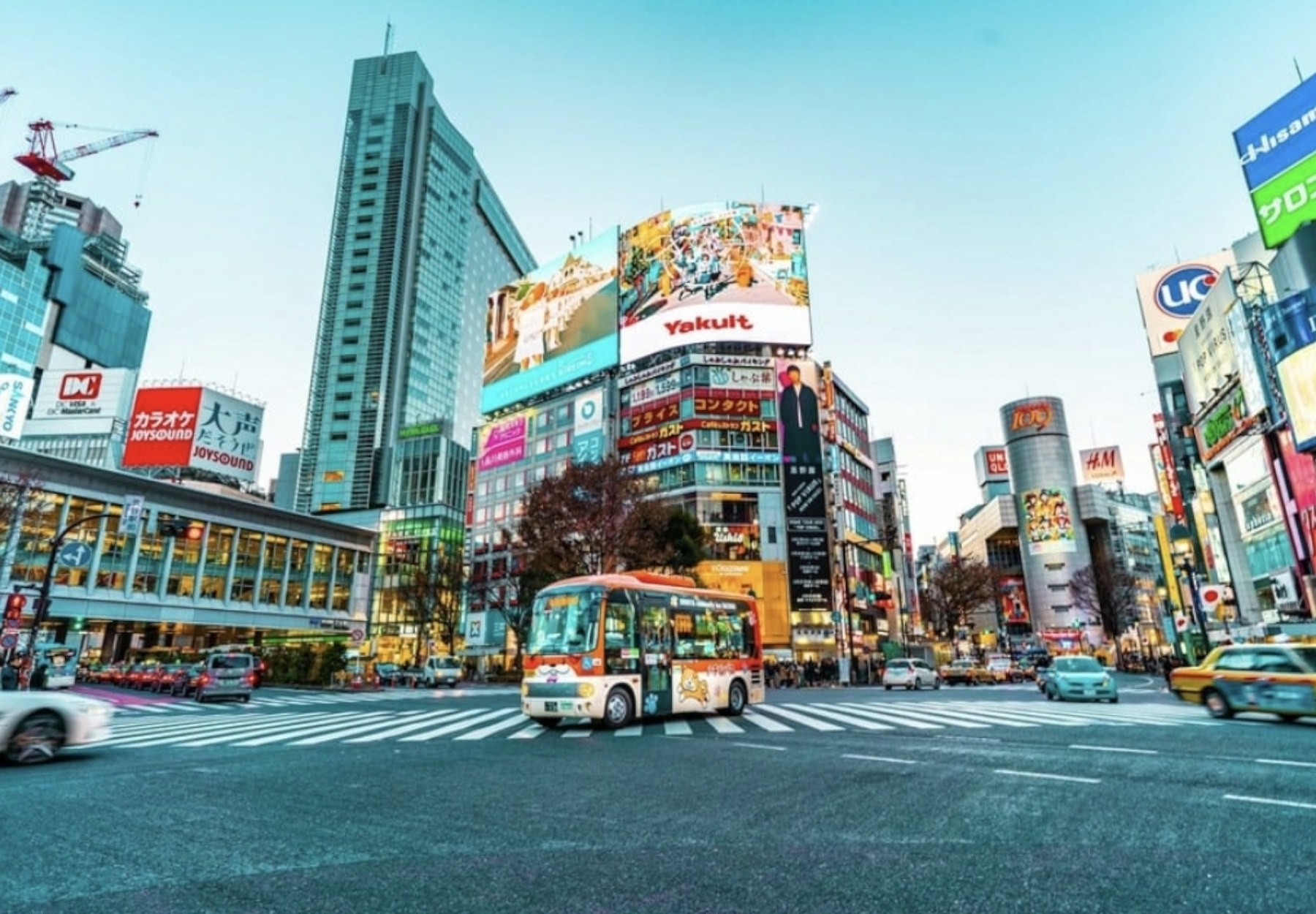
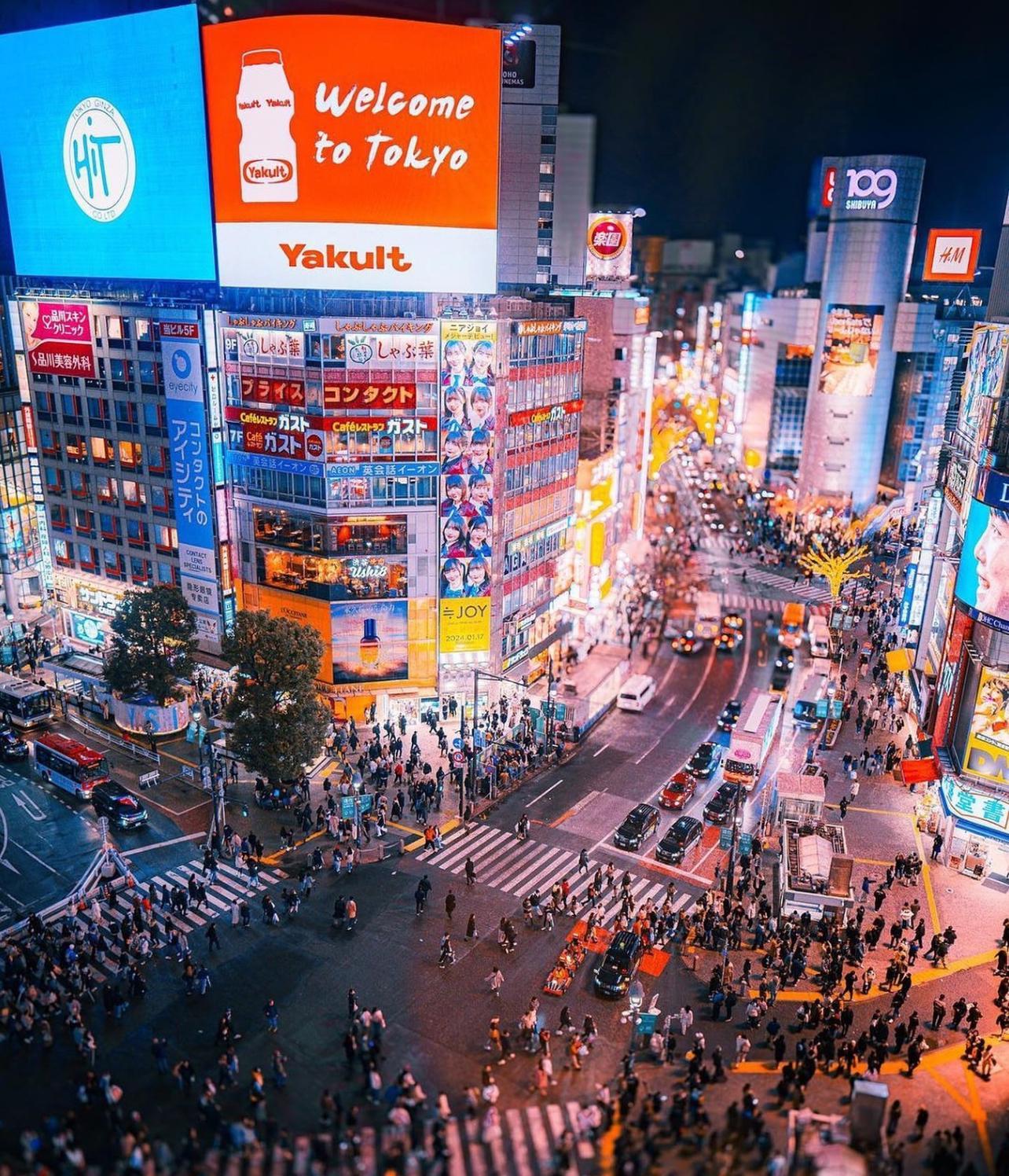
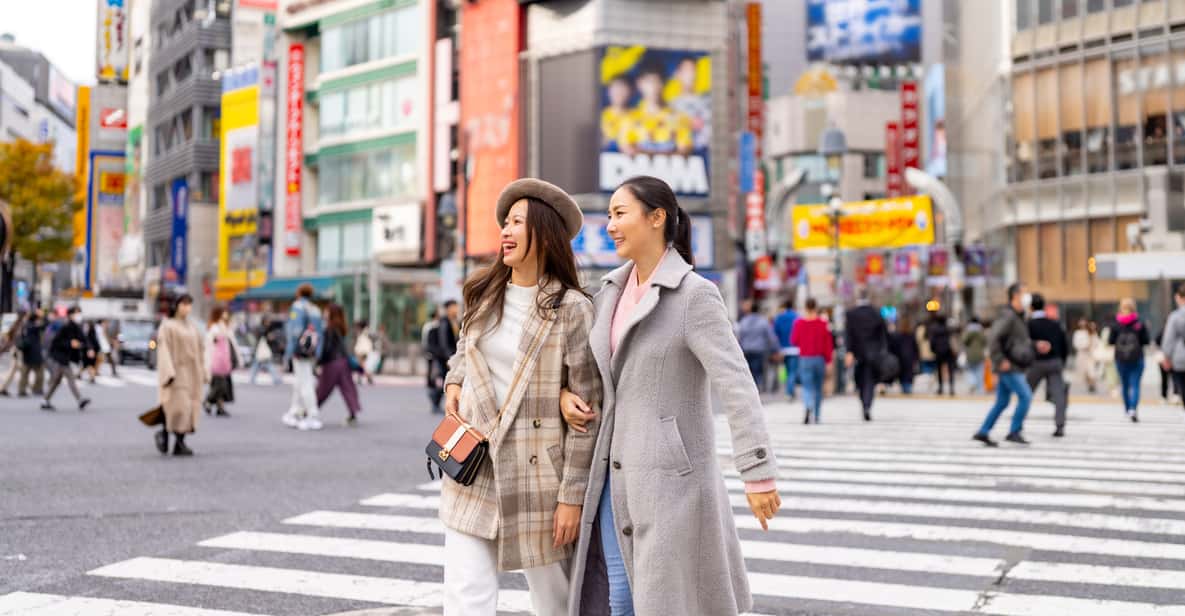
Often cited as the world's busiest pedestrian crossing, it channels an estimated 1,000 to 2,500 people through in every two-minute signal cycle. The intersection began operating as an all-direction scramble crossing in 1973, making it one of the earliest examples of this design in Japan.
This small bronze statue commemorates an Akita dog who returned to Shibuya Station daily for roughly nine years after his owner's 1925 death. The original 1934 statue was melted down for the World War II war effort, and the current version dates to 1948.
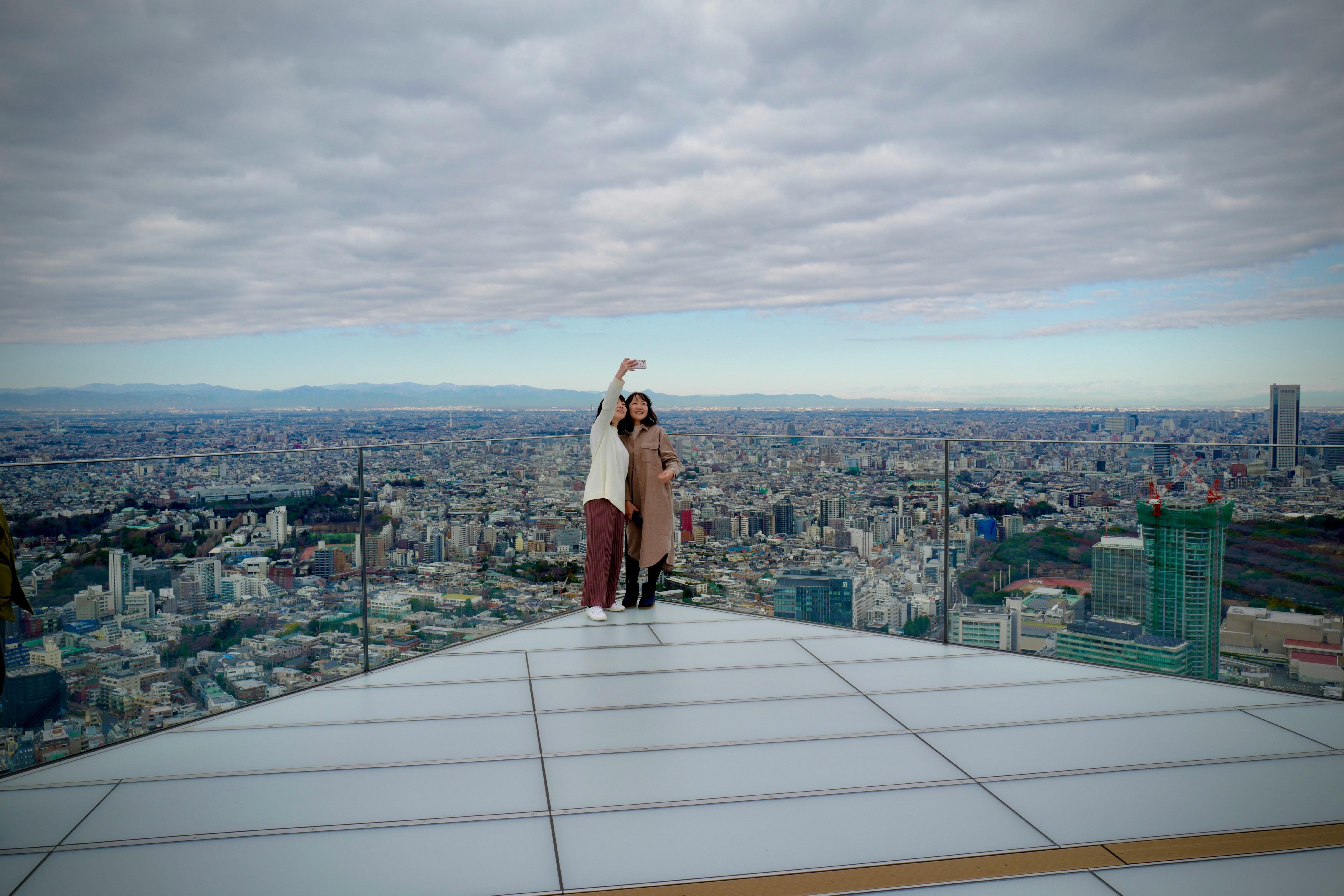
This open-air deck tops Shibuya Scramble Square at 229 meters, spanning the 45th through 47th floors with an indoor Sky Gallery and an unobstructed rooftop Sky Stage. On clear days, visitors can spot Mount Fuji roughly 100 kilometers away alongside Tokyo Tower and Tokyo Skytree.
This pedestrian-only shopping lane runs north from the crossing and concentrates dozens of small boutiques, arcades, and street-food stalls into a few dense blocks. Its narrow, sign-crowded storefronts have appeared in numerous films and music videos depicting Tokyo's youth culture.
Built over a since-covered stretch of the Shibuya River, this roughly one-kilometer promenade links Shibuya and Harajuku through quieter, boutique-lined blocks. Its name likely originates from the stray cats once common along the waterway before it was paved over in 1964.
Established in 1920 and dedicated to Emperor Meiji and Empress Shoken, the shrine sits within a man-made forest covering roughly 700,000 square meters planted with more than 100,000 trees donated from across Japan. The site's Kiyomasa's Well is a spring-fed feature within the shrine's inner garden.
You meet your guide beside the Hachiko statue, the easiest landmark to find in the crush outside the station. From there you cross the scramble itself, timing the green so you reach the middle as the walls of screens light overhead. Your guide points you toward the Shibuya Scramble Square building, where a private tours shibuya guide often starts the climb toward Shibuya Sky and its 229-metre open deck. Back at street level, you slip off the main avenue into Nonbei Yokocho, where the alley narrows to shoulder width and the bars seat six people at most. You pause while your guide explains the post-war origins of the lane, then thread uphill through Udagawacho, past record shops and vintage racks. The pace is yours — this is a shibuya crossing tour built for questions, not a fixed script. You stop for matcha or a konbini coffee, then walk north as the streets quieten toward Meiji Shrine's tree line. The contrast lands: minutes from the loudest intersection in Tokyo, you stand under cedar and gravel. By late afternoon you loop back through Miyashita Park's rooftop deck, watching the district shift from daylight sightseeing into its neon register. You end where you began, at the crossing, now reading it as a place you understand rather than a photograph you chased.
All the details about your upcoming adventure in one place
Booking private tours shibuya connects you with a licensed local guide who leads you across the Shibuya Scramble Crossing, the Hachiko statue, and the neighborhood's layered backstreets at your own pace. These Shibuya walking experiences pair a knowledgeable guide with flexible routing, so every group sees the district on their own terms. Our private tours shibuya tours suit solo travelers, couples, and small parties looking for a personal window into one of Tokyo's busiest wards.
Shibuya Crossing moves roughly 3,000 people at every green signal, and at peak hours the pedestrian scramble clears and refills more than a thousand times a day. This single intersection, framed by the Q-Front screen and the converging avenues of central Tokyo, has become shorthand for the city itself. Private tours shibuya routes are built around this rhythm, tracing the district outward from the crossing into the neighbourhoods that gave it shape. The ward takes its name from the Shibuya clan, warriors who held land here in the twelfth century when the area was farmland threaded by the Shibuya River. For centuries the district remained rural. Its transformation began in 1885, when the opening of Shibuya Station on the Yamanote line pulled settlement toward the tracks. The 1930s brought the first department stores; the post-war decades brought fashion, music, and youth culture, layering Harajuku and Dogenzaka into the district's identity. Why the place matters today is partly architectural. The bronze statue of Hachiko, the Akita dog who waited at the station for his deceased owner from 1925 to 1935, was first cast in 1934, melted for the war effort, and recast in 1948; it remains Tokyo's most-used meeting point. Nearby, Miyashita Park was rebuilt in 2020 as a layered rooftop green space above shops, and Shibuya Sky opened the same year at 229 metres, adding an open-air observation deck to the skyline. A shibuya walking tour reads these strata against one another — pre-war shrine, mid-century arcade, twenty-first-century tower. Below the towers, the district keeps its older grain. Nonbei Yokocho, the narrow "drunkards' alley" near the tracks, preserves a cluster of tiny post-war bars in wooden buildings barely two metres wide. The backstreets of Udagawacho hold record shops, galleries, and the tangle of vintage clothing that made the area a global reference for street style. Meiji Shrine and its forest sit a short walk north, a deliberate counterweight of quiet to the crossing's noise. The district's cultural weight comes from this compression. Few places pack shrine, statue, scramble, and skyscraper into so tight a radius, and few change so continuously — the station itself has been under redevelopment for over a decade. Among Tokyo landmarks, Shibuya is unusual for being read as a mood rather than a monument. Private tours shibuya tours exist because the meaning here is not held in any one building but in the movement between them, and a guide supplies the connective history that turns a busy junction into a legible century of change.
Among Tokyo landmarks, Shibuya is unusual for being read as a mood rather than a monument.
No formal dress code applies to Shibuya's open streets, so comfortable walking shoes and layered clothing suit the district's crowds and inclines best. Guides leading private tours shibuya groups generally recommend breathable fabrics in summer and a light waterproof layer during Japan's June rainy season, since much of the route is outdoors between Shibuya Station and Shibuya Crossing.
Shibuya Crossing and Hachiko Square have no bag checks or security screening since they are open public streets, though Shibuya Scramble Square and Shibuya Sky operate airport-style bag scanning at their building entrances. Coin lockers sized for daypacks and small suitcases are available inside Shibuya Station and at Shibuya Scramble Square for those joining private tours shibuya itineraries that continue on foot.
Personal photography and video are permitted throughout Shibuya Crossing, Hachiko Square, and surrounding streets at no charge, though tripods and drones are restricted in the crossing itself due to pedestrian volume and traffic control. Commercial filming crews need a permit from Shibuya City, a rule several private tours shibuya operators mention when planning group photo stops.
Children can safely watch and cross Shibuya Crossing with an adult, since it operates as an ordinary signaled pedestrian crossing rather than a paid attraction. Strollers move easily on the surrounding sidewalks, though the crossing itself gets crowded enough that some families prefer to watch the first cycle from the sidewalk before joining the flow.
Shibuya Station's Hachiko Exit and the surrounding crossing are step-free, with elevators connecting station platforms to street level and to Shibuya Scramble Square. Sidewalks around the crossing get dense with pedestrians at peak times, so wheelchair users may prefer the quieter early-morning or mid-morning hours within the 09:00–17:00 arrival window.
Eating and drinking are not permitted while walking through the Shibuya Crossing intersection itself, in keeping with general Japanese street etiquette, though cafes and convenience stores line the surrounding blocks for a quick stop. Sealed drinks are fine to carry through Hachiko Square and nearby streets, and several buildings bordering the crossing house cafes with second-floor views.
Public streets, always open
Evening crowds build after 18:00
Busiest daytime footfall
Best window: 09:00–17:00 for daylight sightseeing before evening crowds peak
location
Public transport · 2–5 min from station exit · Standard Tokyo rail fare, roughly 150–400 JPY depending on origin
Shibuya Station sits directly beside the crossing and is served by the JR Yamanote, Saikyo, and Shonan-Shinjuku lines, plus the Tokyo Metro Ginza, Hanzomon, and Fukutoshin lines, along with the Keio Inokashira and Tokyu Toyoko and Den-en-toshi lines. Exit via the Hachiko Exit to reach the crossing directly.
Walk · 2 min · Free
The crossing, Hachiko Statue, and Shibuya Scramble Square entrance are all within a two-minute walk of each other outside the station's Hachiko Exit.
Taxi · 15–30 min from central Tokyo hotels · Roughly 1,500–3,000 JPY from nearby districts
Taxis can drop passengers at Shibuya Station's Hachiko Exit roundabout, though traffic around the crossing is often congested during peak hours.
Bike · Varies · Bike-share docks charge per 30-minute increment
Shibuya has limited dedicated cycling infrastructure near the crossing itself, so most visitors walk the immediate area and cycle only on quieter side streets.
Because Shibuya's streets, Hachiko Statue, and Shibuya Crossing carry a 0 JPY entrance fee, there is nothing to refund for the free public area itself. Private tours shibuya operators booked through third parties typically allow free cancellation up to 24–48 hours before the scheduled start, with the operator's own terms governing any partial refund closer to departure.
Recommended time
2-4 hours
Most private tours shibuya bookings run 2 to 4 hours, enough time to cover the scramble crossing, Hachiko statue, Center Gai, and one elevated viewpoint at a walking pace. A full-day private shibuya tokyo tour stretches this into neighboring Harajuku or Omotesando, while a compact skip-the-line photo session can be closer to 60-90 minutes. Add 30 minutes if your guide includes an indoor lookout, since elevator lines and window seating move slowly once evening rush builds. Morning and midday blocks stay easiest for a relaxed private tours shibuya tour, while anything scheduled after 5pm should budget extra time just for moving through the crowd.
Crowd levels through the day
Weather · crowds · average price — dots go green to amber to red as each metric rises.
March to May brings mild temperatures around 15–20°C and cherry blossoms in nearby Yoyogi Park, making outdoor walking sections of private tours shibuya comfortable before the summer humidity sets in.
June brings Japan's rainy season with frequent short showers, while July and August turn hot and humid, often exceeding 30°C, so early or late crossings avoid the midday heat.
September through November offers cooler air and clearer skies, ideal for both street-level exploring and the elevated views from Shibuya Sky at sunset.
December through February is cold but dry, with the crossing's illuminated billboards standing out more sharply after dark, though wind chill can be significant on open-air viewpoints.
Late December into early January sees heavy crowds around Meiji Jingu for hatsumode, the first shrine visit of the year, so weekday mornings work better than New Year's Day itself.
Stand on the QFRONT side or the Shibuya Scramble Square side for a minute to watch a full signal cycle before joining the crowd, since the density surprises most first-time visitors.
Timed-entry tickets for the observation deck sell out on weekends and holidays, so reserve online rather than risk a sold-out counter on the day.
If arranging a private tours shibuya pickup or group meeting spot, name the Hachiko Exit specifically, since Shibuya Station has multiple large exits that can confuse first-time arrivals.
Tapping an IC card at ticket gates avoids fumbling with paper tickets across the multiple rail operators serving Shibuya Station.
June's rainy season brings sudden downpours, so a compact umbrella is more useful than a bulky raincoat for the density of pedestrians around the crossing.
The pedestrian lane north of the crossing has the highest concentration of casual eateries if you need a fast bite between sightseeing stops.
Some smaller shops and food stalls around Center Gai and Cat Street remain cash-only despite Japan's growing card acceptance.
Hachiko Exit, Shibuya Station, Shibuya, Tokyo
Tokyo's best-known meeting point, right beside the crossing
Get directionsUdagawacho 1-Chome, Shibuya, Tokyo 150-0042
Street-level entrance beneath the elevated Starbucks overlooking the crossing
Get directions2-24-12 Shibuya, Shibuya-ku, Tokyo
Ticket office and elevators to Shibuya Sky are on the 14th floor
Get directionsThe second-floor window seats sit directly above the scramble, giving a close, almost overhead framing of pedestrians surging in every direction. Stand near the glass along the green ribbon seating rather than the counter, since window spots fill fast. A private tours shibuya guide can time your visit for a gap in the queue instead of waiting it out.
This open-air deck atop the MAGNET by SHIBUYA109 building sits roughly eight storeys up on the corner of the crossing, giving a steep, drone-like downward angle through a plexiglass barrier. Position at the outer rail rather than the lounge seating for the cleanest sightline. Entry includes one drink, useful context for a Shibuya landmarks itinerary that pairs a paid viewpoint with free ones.
The Sky Edge, a glowing circular walkway on the open-air rooftop of Shibuya Scramble Square, offers a full 360-degree view roughly 229 meters up with the crossing reduced to a distant grid of moving dots. Shoot from the corner rail where the crossing lines up beneath the skyline for the clearest composition. This is the highest and most complete angle in the area, often booked as the anchor stop of a shibuya sky tour.
A free elevated glass corridor linking the station to Mark City lets you shoot the crossing from a lower, street-level-adjacent height without paying for admission anywhere. Stand where the walkway bends for an angled view down Dogenzaka rather than straight through the meshed glass, which can soften focus. It works well as a quick stop between other viewpoints on a private guide's route.
On the 11th floor of the Hikarie building, this small lobby area gives a partial but genuinely free glimpse of the crossing from height, with limited standing room at the window. It suits travelers who want one more angle without a ticket after visiting the paid decks nearby. Access is straightforward since Hikarie connects directly to Shibuya Station.
Private tours shibuya let families set their own rhythm around the scramble crossing instead of chasing a group's schedule, which matters most when you have young children in tow. With hotel pickup built in, the day starts calmer and the guide can steer strollers around the busiest stretches near the station.
Guides typically route around Shibuya Stream's promenade and the Miyashita Park rooftop, both stroller-friendly, rather than pushing straight through the crossing at peak foot traffic.
Toddlers and early elementary kids do best with a short, well-timed crossing visit, while a private shibuya tour lets you skip that stop entirely if naps or moods don't cooperate.
A private guide can compress the walk into 30-60 minutes for younger kids or stretch it for older ones, building in stops at Hachiko and quieter side streets instead of a fixed group itinerary.
Pickup means no early-morning station navigation with a stroller and bags; meeting a group tour on-site near Shibuya Station adds a logistics step that's harder with a toddler.
Baby rooms with nursing and changing tables are available in Shibuya Hikarie and Shibuya Stream, both easily worked into a private shibuya tours route.
Covered walkways link Hikarie and Scramble Square via the second-floor passage, so a private guide can reroute indoors without losing much of the day.
Shibuya itself has no formal restaurant inside the crossing, but the streets radiating from Shibuya Station pack in ramen counters, sushi belts, and izakaya alleys, so most guides for private tours shibuya route lunch or dinner into the walk rather than treating food as a separate stop. Whether you're on a private tours shibuya tour or exploring solo, a break of 20–30 minutes fits naturally between the crossing, Center Gai, and the Tsutaya side streets.
Solo tonkotsu ramen in individual booths near Shibuya Crossing; you customize broth and spice on a paper form. Queues form fast at lunch and after 22:00, so early morning or mid-afternoon is calmer for a quick stop on a private tours shibuya itinerary.
Touchscreen ordering sends plates to your seat on a mini rail rather than a classic belt. Fast turnover makes it good for groups with mixed tastes; expect a short line around 12:00–13:00 and 19:00–20:00.
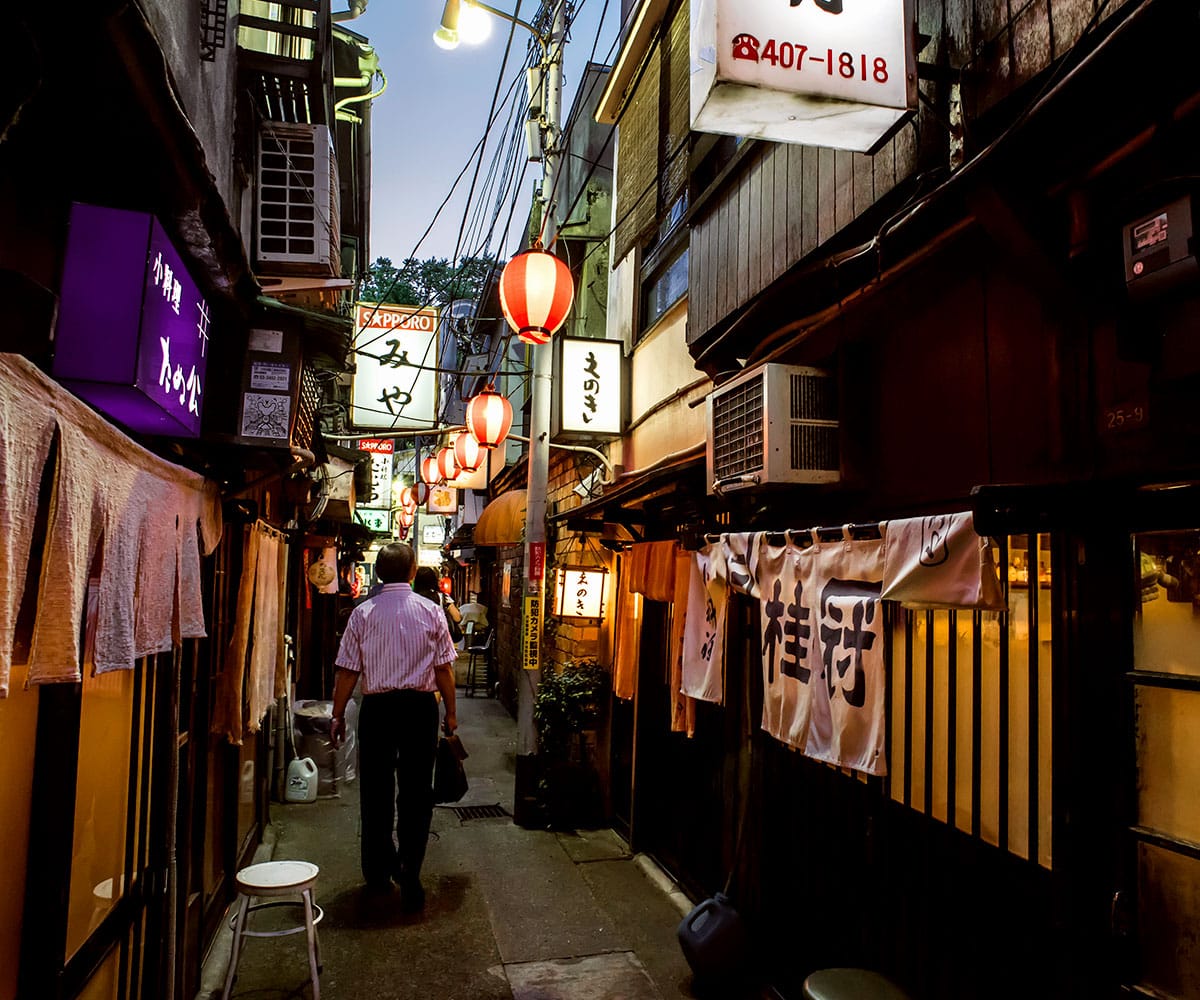
A narrow lantern-lit lane of roughly 40 tiny yakitori bars and oden counters just behind the station. Most shops seat only 4–8 people and open in the evening, making it better suited to a post-sightseeing stop than a daytime detour.
A latte-art specialty café near Cat Street, useful for a caffeine break before or after browsing the Tsutaya bookstore area. Outdoor seating fills on weekend mornings, but weekday afternoons stay easy to grab a seat.
Real experiences from real travelers
Our guide took us through Nonbei Yokocho and the back lanes behind Center Gai just as the lanterns were coming on. The private tours shibuya format meant we could stop whenever something caught our eye, and we ended up chatting with a tiny bar owner for twenty minutes. Wear comfortable shoes because the pace is a lot of walking
I grew up near Tokyo and still learned new corners of the neighborhood on this shibuya walking tour. The scramble crossing looks different when someone explains the flow and timing of it. Late afternoon light over Hachiko was soft and warm
The route through Center Gai and up to Shibuya Sky was well planned, though midsummer humidity made the afternoon stretch tiring. Our guide adjusted and found shaded arcades to cool off. The private tours shibuya tour felt personal rather than rushed
We started at the Hachiko statue and finished watching the sunset from the observation deck. Having a private guide meant no waiting around and skip-the-line entry that saved us a long queue. The neon of Shibuya at dusk is something photos never quite capture
What sold me was the flexibility of a private tours shibuya tickets option that let us swap a shopping stop for a quiet shrine detour. The guide read our energy well and slowed down when we lingered. Cold drizzle that day but the covered lanes kept us dry
The contrast between the roaring scramble crossing and the hushed backstreets stayed with me. Our guide balanced the big Tokyo landmarks with small local spots. Evening was the right time to go as the signs lit up
As a first-time visitor I wanted orientation, and the シブヤ プライベートツアー gave me that plus some hidden alleys. It ran a little long for my liking but the guide was patient. Crisp winter air made the walk pleasant
The private tours shibuya tours we compared all looked similar online, but having the guide entirely to ourselves made the difference. We stopped for coffee twice and never felt hurried. Golden hour over the crossing was the highlight
Our guide knew exactly where to stand for the best angle on the crossing and the Shibuya 109 curve. The skip-the-line Shibuya Sky access at the end was smooth. Warm summer evening with the whole city glowing
A calm, well-paced Shibuya private tour that wound from Hachiko through the neon streets without feeling like a checklist. The guide spoke clearly and answered every question. It rained lightly but that only made the reflections better
Everything you need to know for your journey
The public streets, Shibuya Crossing, and Hachiko Statue are open 24 hours daily since they are ordinary city thoroughfares with no gates, though indoor sights like Shibuya Sky keep separate timed hours.
Shibuya Crossing and Hachiko Statue have 0 JPY entrance fees since they are free public spaces, while private tour prices vary by operator and itinerary.
Yes, Shibuya Station's Hachiko Exit and the immediate crossing area are step-free with elevators, though sidewalks can feel crowded for wheelchair users during evening peaks.
No routine bag checks apply on the open street, but Shibuya Scramble Square and Shibuya Sky use security scanning at their building entrances.
Personal photography is welcome throughout the crossing and surrounding streets, though tripods are discouraged given pedestrian density and commercial filming needs a city permit.
Arriving between 09:00 and 17:00 gives you daylight for sightseeing before the evening crowd peaks, and weekday mornings within that window are quieter than weekend afternoons.
No formal dress code applies; comfortable walking shoes suit the district's hills and long pedestrian stretches best on private tours shibuya routes.
Eating while walking through the crossing itself isn't customary, but cafes and convenience stores line every surrounding block for a quick stop.
Shibuya Station's Hachiko Exit sits directly at the crossing and is served by JR, Tokyo Metro, and several private rail lines, making it one of Tokyo's most connected transit hubs.
Yes, families with strollers and children commonly walk the crossing and nearby squares, and many private tours shibuya itineraries are paced for mixed-age groups.
Because the public area itself carries no fee, cancellation only applies to paid guided bookings, which typically allow free cancellation 24–48 hours ahead under the operator's own terms.
Meiji Jingu Shrine, Yoyogi Park, Cat Street, and Omotesando Avenue all sit within a 20-minute walk and combine naturally with a Shibuya landmarks tour.
Bronze statue of the loyal Akita dog and Shibuya's most recognized meeting spot, standing just outside the station's Hachiko Exit.
Open-air observation deck 229 meters above Shibuya Scramble Square with unobstructed 360-degree views of the crossing and, on clear days, Mount Fuji.
Forested Shinto shrine dedicated to Emperor Meiji and Empress Shoken, set within a 70-hectare wooded precinct near Harajuku.
One of Tokyo's largest metropolitan parks, popular for picnics, street performers, and seasonal cherry blossoms.
Pedestrian promenade connecting Shibuya and Harajuku, lined with independent fashion boutiques and cafes along a former riverbed.
Tree-lined boulevard often compared to the Champs-Élysées, home to flagship architecture from international luxury brands.
Shibuya itself concentrates hotels of every tier within walking distance of the crossing, from business hotels to upscale towers connected to Shibuya Scramble Square.
High-rise hotel south of the station with skyline views and direct underground access to Shibuya Station.
Design-forward mid-size hotel near Shibuya Center Gai, popular with younger travelers exploring the district on foot.
Compact apartment-style rooms with kitchenettes, aimed at longer stays within an easy walk of the crossing.
Hostel-style budget lodging in the wider Shibuya area, geared toward travelers prioritizing transit access over space.
Join thousands of happy travelers who have discovered this incredible experience
Book Your Experience Now