6 hr
Shibuya & Harajuku Private Hidden Gems Tour
- Private experience
- Personal attention
- Premium amenities
- Free cancellation
Shibuya To Harajuku Tour — Free Street Route & Guided Walks
Neon crossing behind you, cedar shade ahead.
Compare fares, pick the fit — all bookings are mobile-voucher and eligible for free cancellation where shown.
6 hr
1 hr 15 min
1 hr
Hand-picked experiences loved by thousands of travelers
2 hours
Free Cancellation
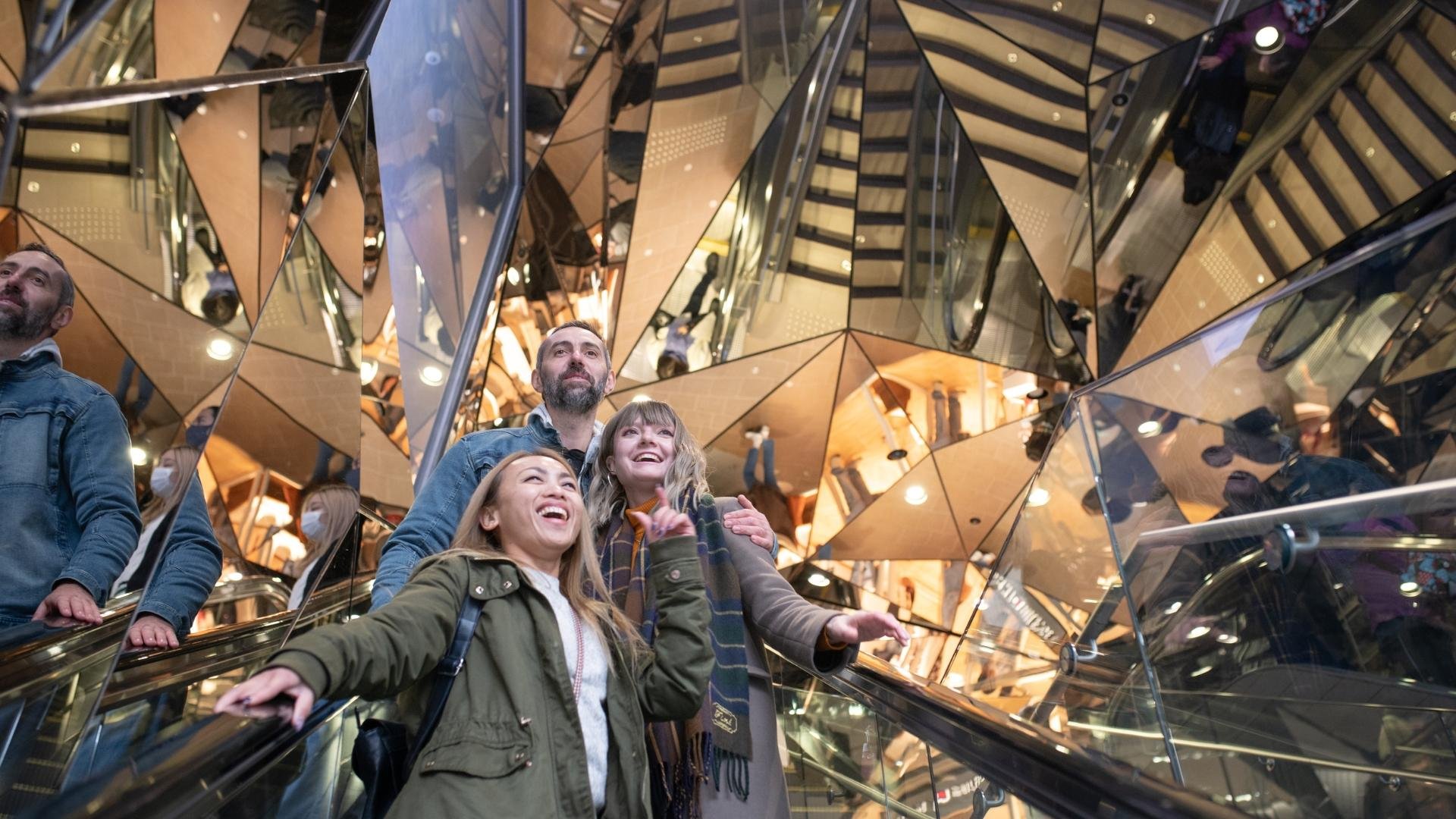
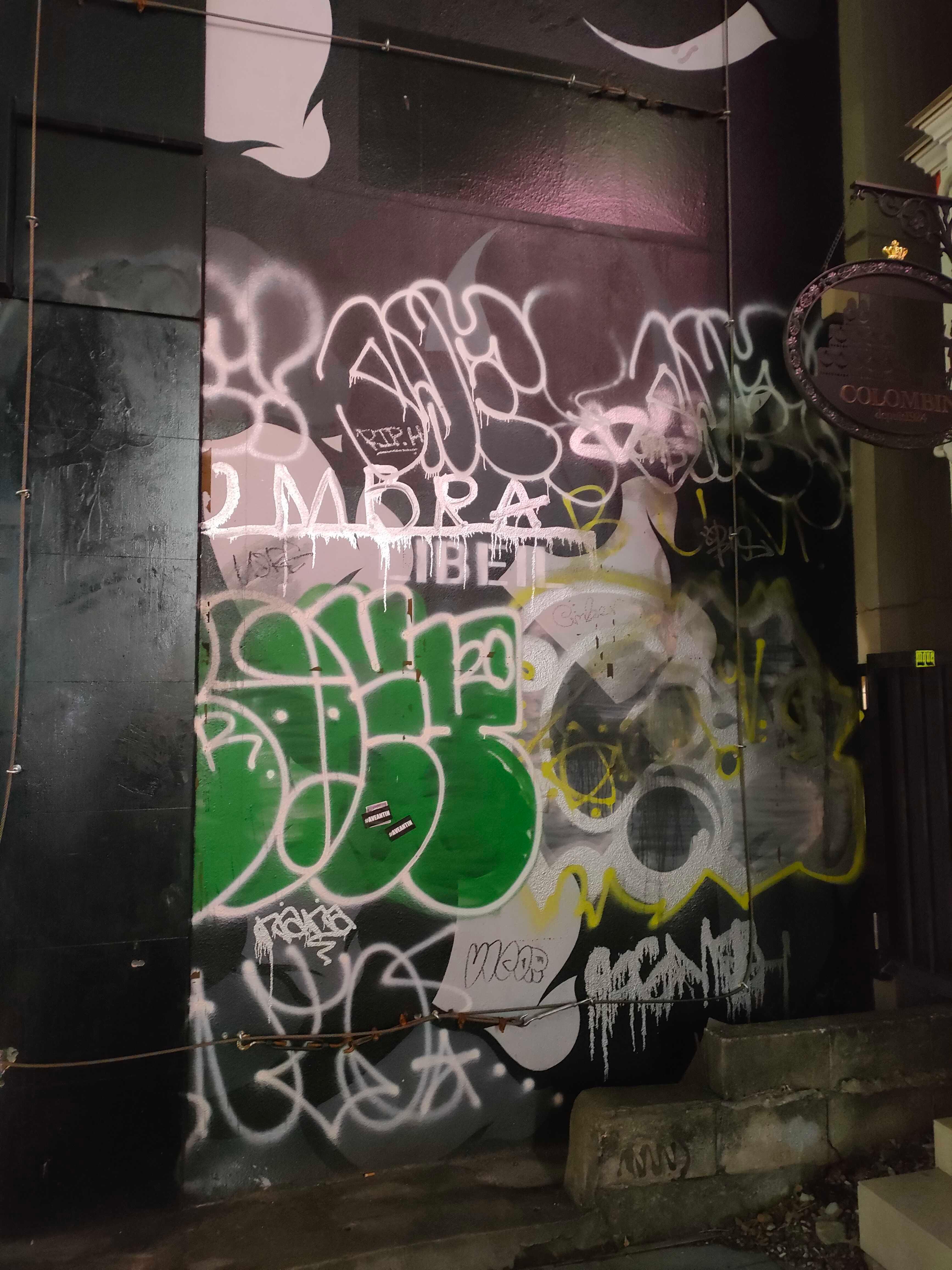
Venture beyond guidebooks into Tokyo's raw urban art underground across Shibuya and Harajuku.
3 hours
Free Cancellation
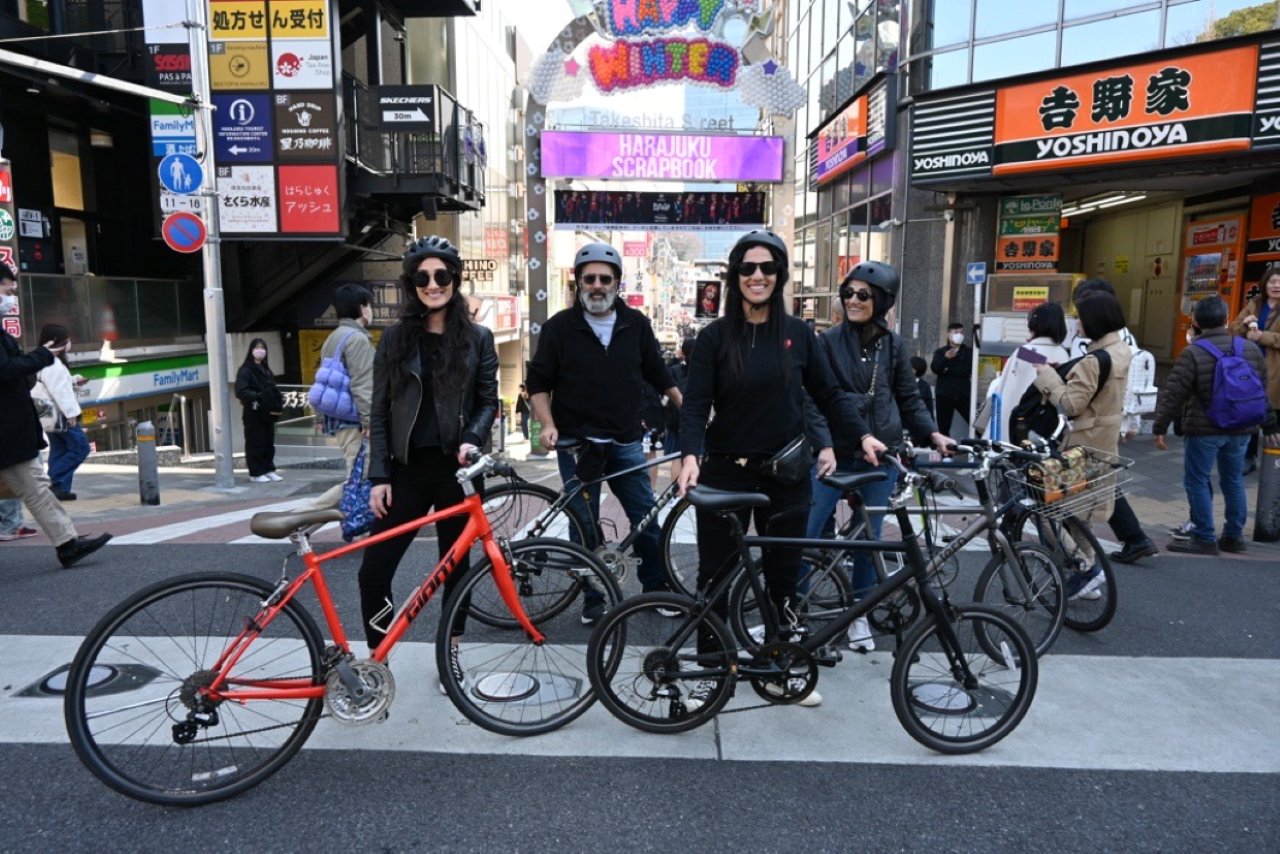
Pedal through Tokyo's coolest districts in 3 hours, uncovering secret alleys and iconic landmarks.
1 hour
Free Cancellation
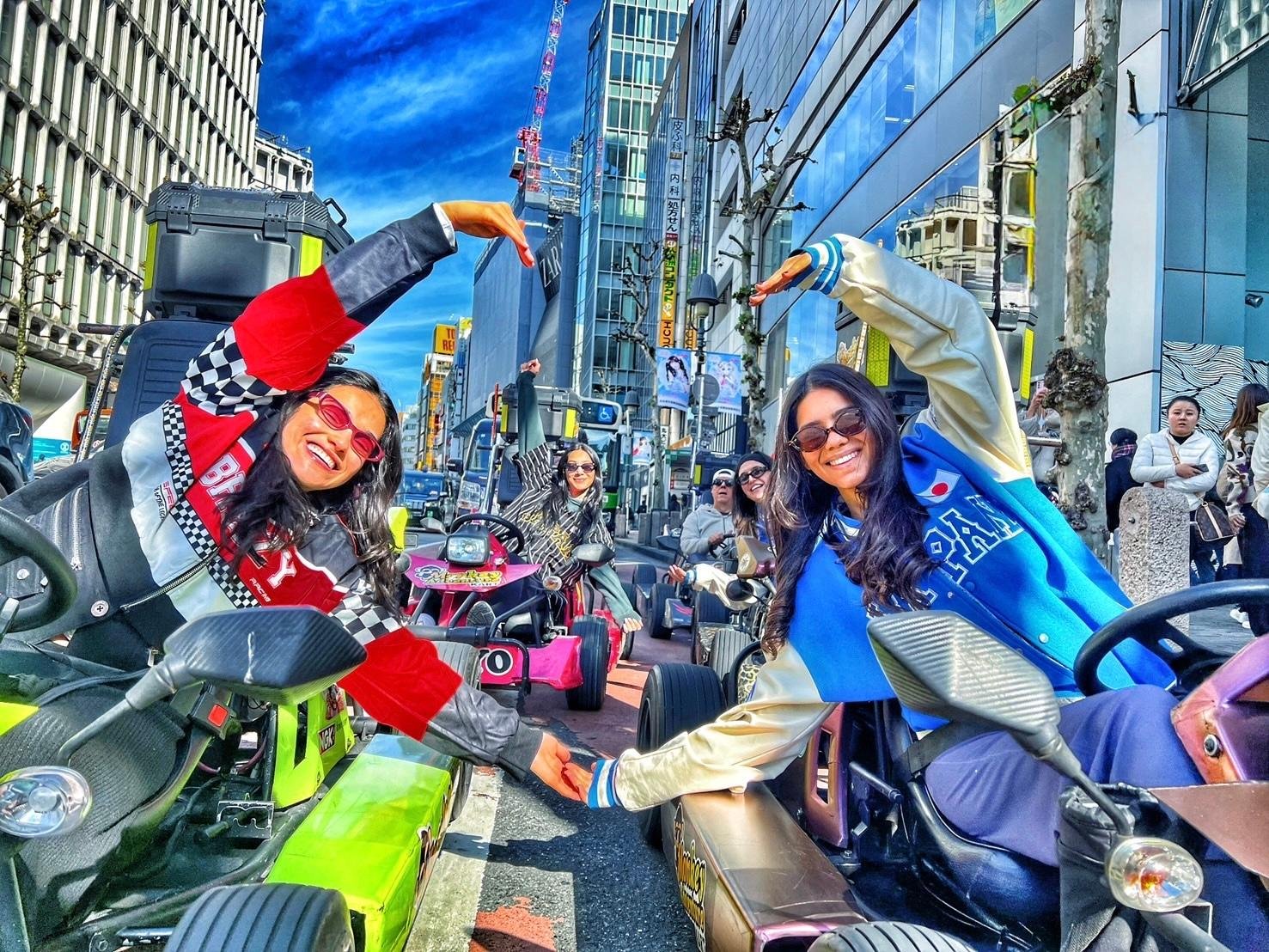
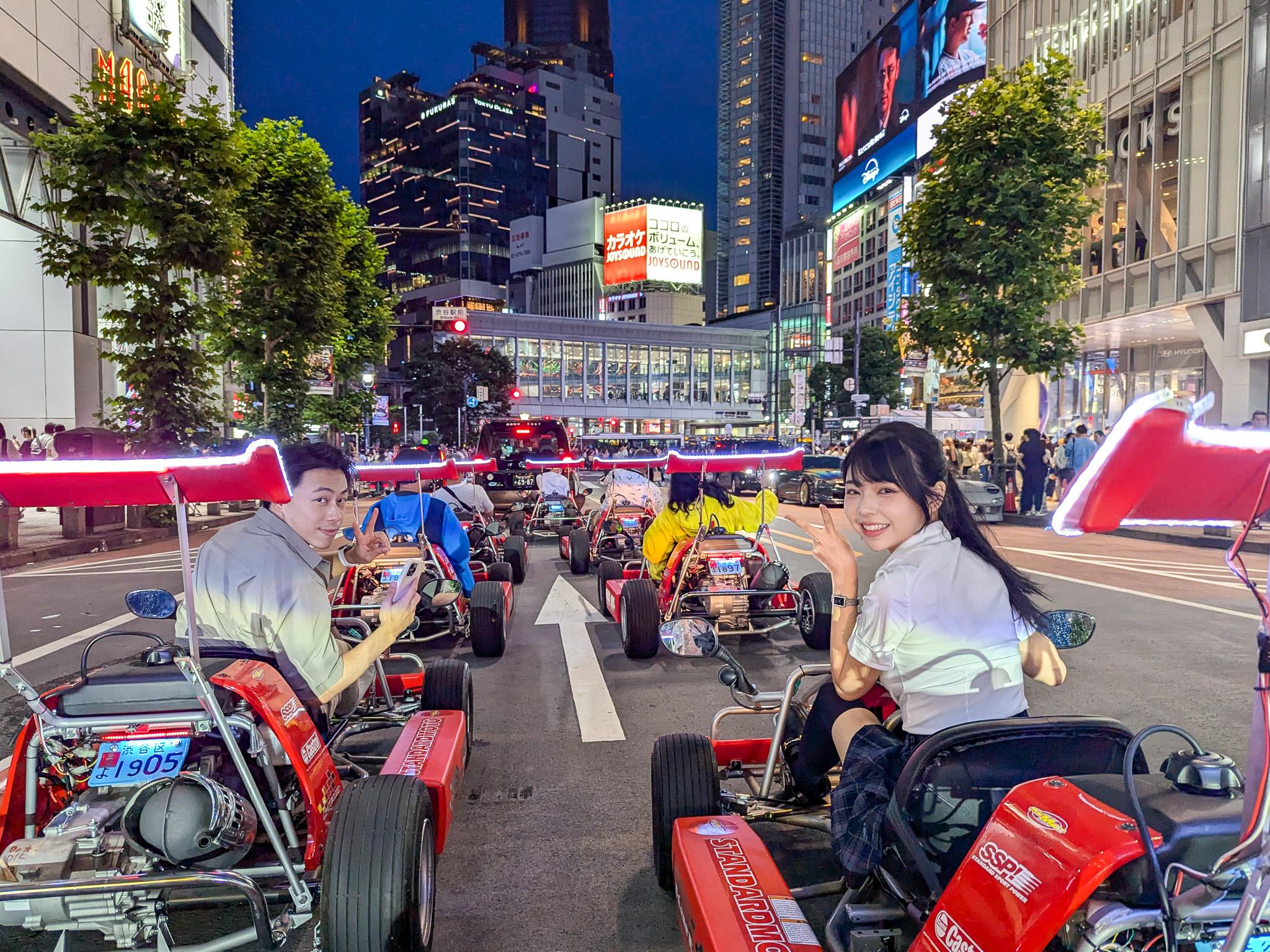
Race through Tokyo's iconic streets in a go-kart dressed as your favorite character — pure urban thrill.
Begin the shibuya to harajuku tour at Hachiko Square and cross the world-famous scramble intersection near Shibuya Station
Head north along Meiji-dori avenue, passing shops and cafes en route to Harajuku
Follow the quieter, boutique-lined Cat Street connecting Shibuya and Harajuku for a slower-paced browse
Continue onto Omotesando's tree-lined avenue, known for flagship stores and architecture
Finish the walk exploring Takeshita Street's crepe stands and youth-fashion boutiques near Harajuku Station
Add a walk through the forested approach to Meiji Shrine near Harajuku Station, hours vary by sunrise/sunset
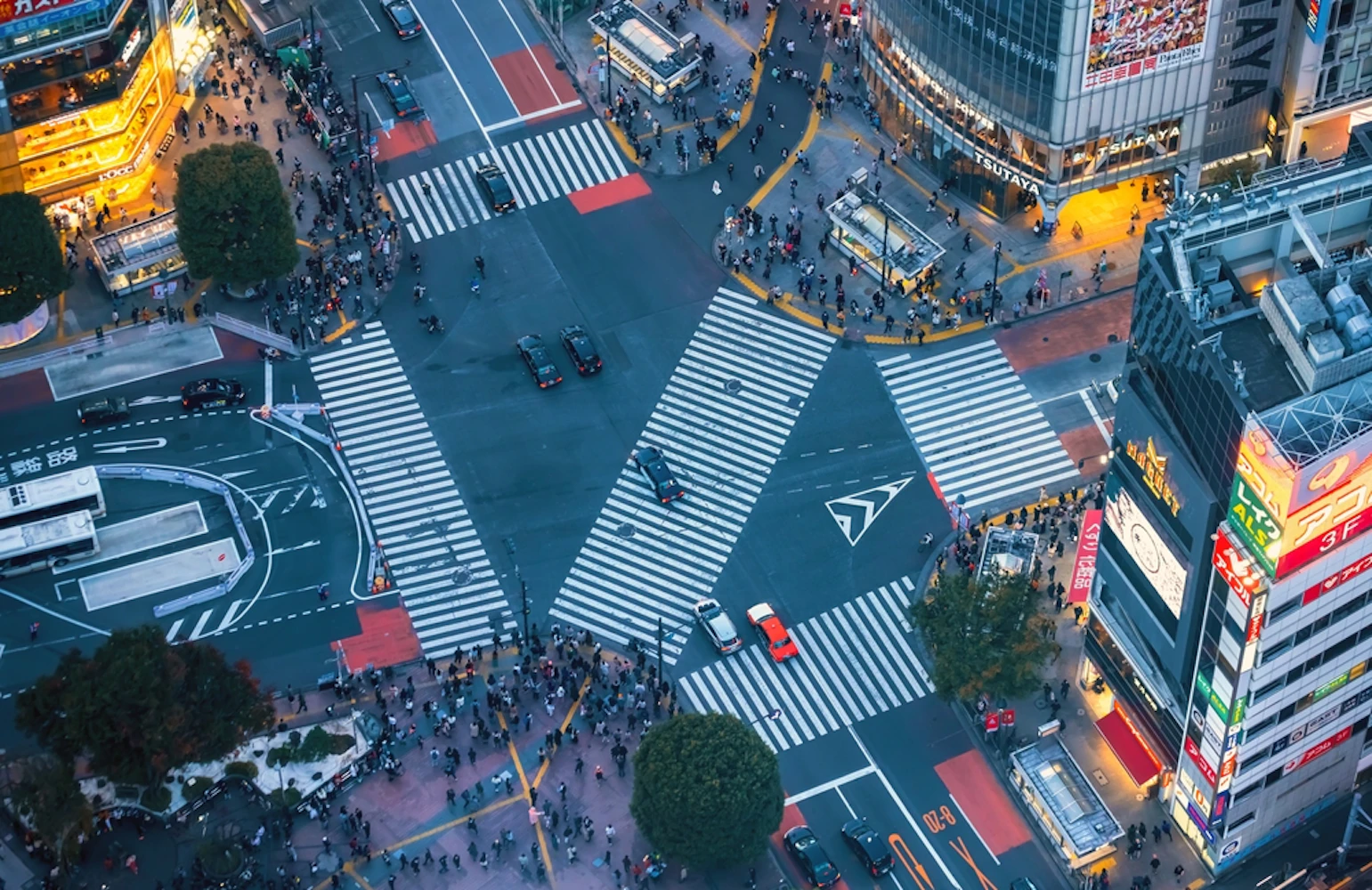
Often cited as the busiest pedestrian intersection in the world, this crossing outside Shibuya Station's Hachiko Exit sends pedestrians surging from multiple directions each time the lights change. Up to five street crossings converge here simultaneously, and the crossing sits directly beside Hachiko Square.
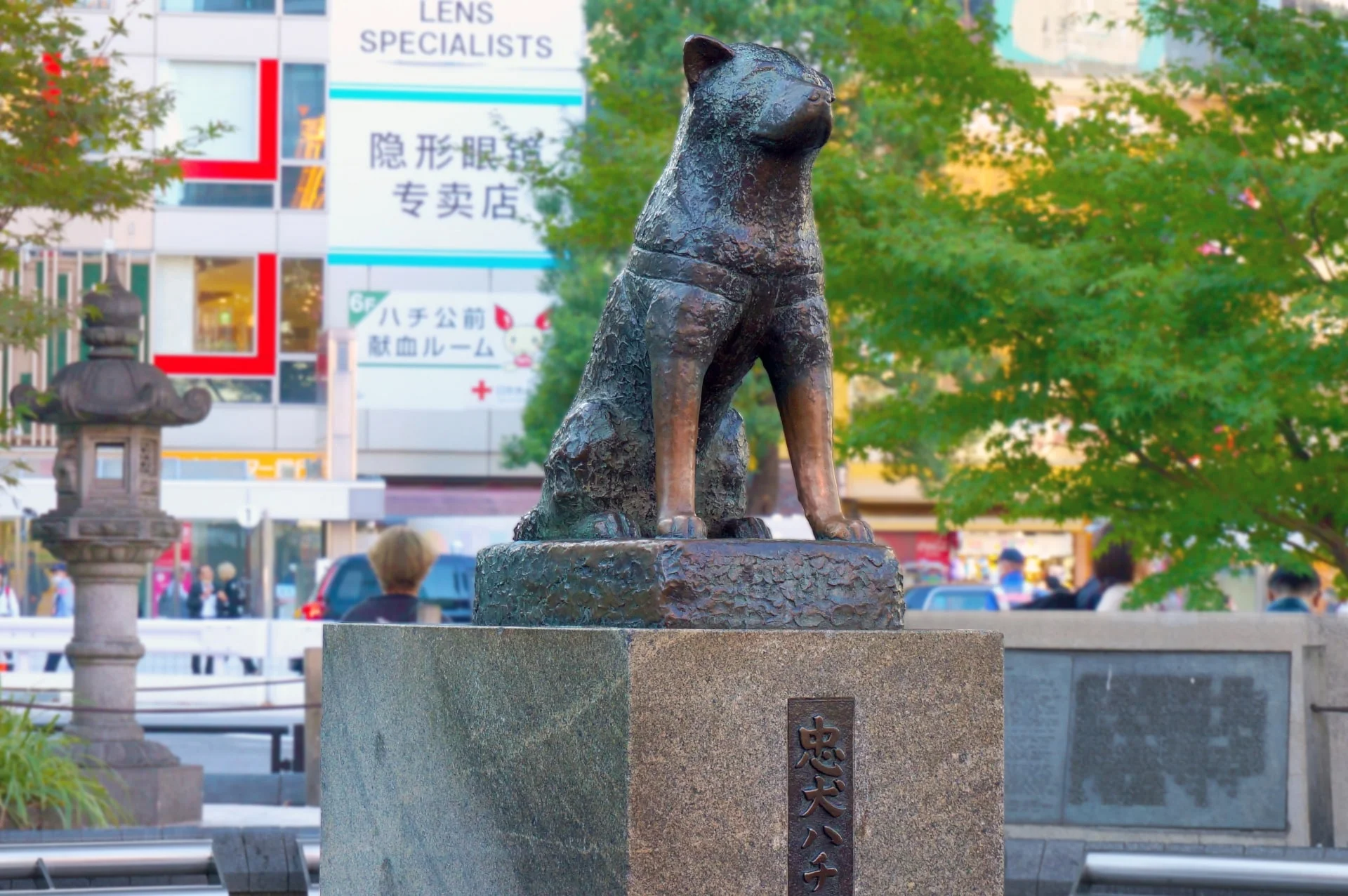
A bronze statue near Shibuya Station's Hachiko Exit honoring an Akita dog who continued visiting the station daily for roughly nine years after his owner's 1925 death. The current statue dates to 1948, a replacement for the 1934 original melted down during wartime metal shortages.
A roughly 1.25-kilometer pedestrian lane officially named Kyu-Shibuya-gawa Yuhodoro, built over a former Shibuya River streambed diverted underground ahead of the 1964 Tokyo Olympics. It links Shibuya and Harajuku with a quieter, boutique-lined alternative to the busier main avenues.
A broad, zelkova-tree-lined avenue often nicknamed Tokyo's Champs-Élysées, connecting Harajuku toward Aoyama and lined with flagship international fashion stores and notable modern architecture. Omotesando Hills, designed by architect Tadao Ando, sits along its slope with a spiral interior ramp following the street's natural incline.
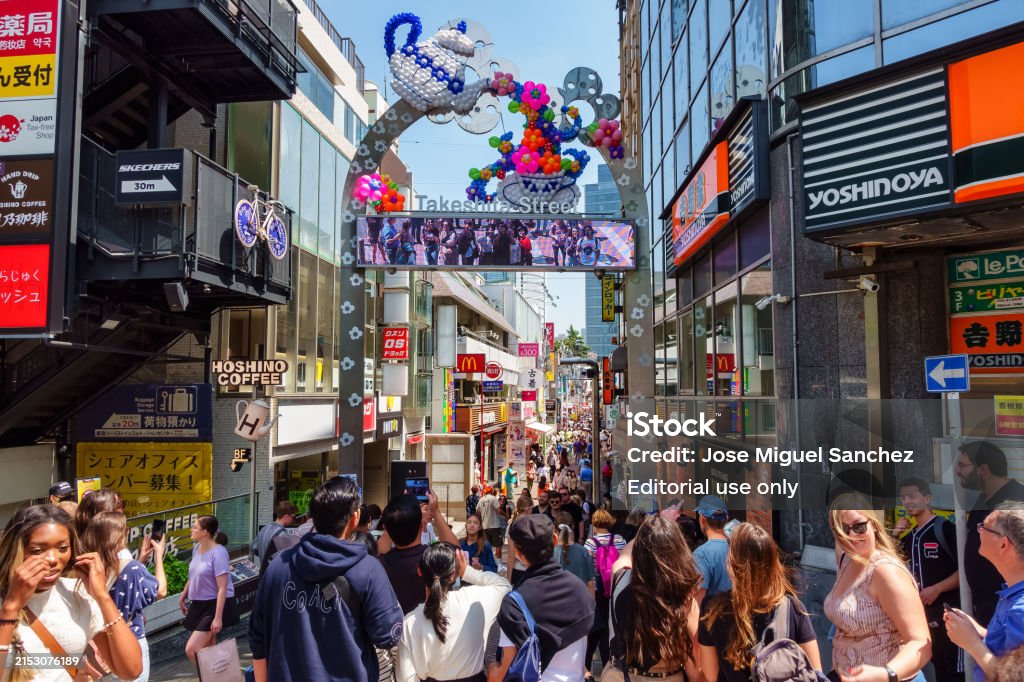
A roughly 350-meter pedestrian lane packed with crepe stands, kawaii fashion boutiques, and youth-culture shops, considered the symbolic heart of Harajuku street style. Despite its short length, it can take over an hour to walk end-to-end during peak weekend crowds.
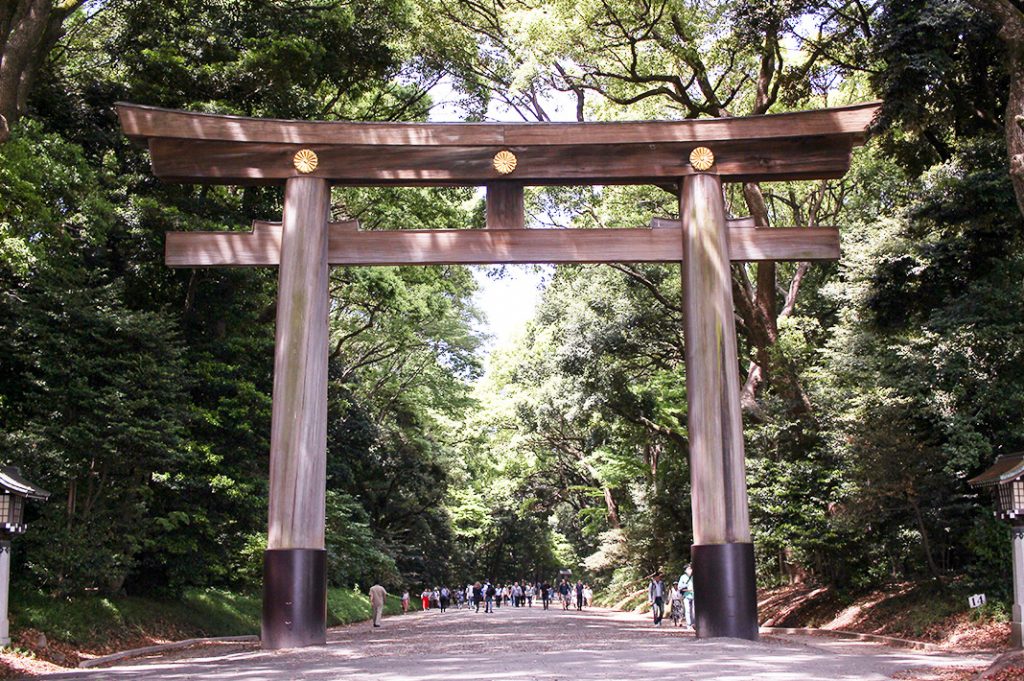
A roughly 700-meter gravel path leading from Harajuku Station through a forest of over 100,000 trees donated from across Japan toward one of the country's largest wooden torii gates, standing about 12 meters tall. The forest was deliberately planted in the 1920s to look centuries old within a single generation.
You start beneath the station clocks, letting one full cycle of the shibuya to harajuku tour crossing pass before you step off the kerb — thousands moving with you, the light counting down in red. You pause at Hachiko, then climb toward Miyashita Park's rooftop lawn for a first clean view north. From there you drop onto Cat Street, and the noise falls away in stages. You trace its odd curve — the old riverbed — past low-slung boutiques, vintage racks, and coffee windows barely wide enough for two stools. You stop where you want; nothing is ticketed, nothing rushes you. A skip-the-line shibuya crossing detour is pointless here, because the streets are yours and free. Halfway along, you feel the shift. The crowd thickens as you reach Takeshita Street's mouth, a corridor of crepe stands, sticker shops, and pastel storefronts pressed shoulder to shoulder. You edge through, then turn west, and within two minutes the pavement becomes gravel. You pass under the great cypress torii into Meiji Jingu's forest, and the temperature seems to drop. You walk the shaded approach, rinse your hands at the water pavilion, and stand a moment in the courtyard where the city noise is simply gone. Arriving in the 09:00–12:00 window, before midday, you have done this whole thread in cooler air and thinner crowds. You retrace nothing; you have crossed from neon to cedar on foot, and the contrast is the reward.
All the details about your upcoming adventure in one place
A guided shibuya to harajuku tour links two of Tokyo's most energetic neighborhoods on foot, tracing the walk from the Shibuya Scramble Crossing north along Cat Street toward Takeshita-dori and Omotesando. Led by a local guide fluent in the area's fashion districts and youth culture, these walking tours of Shibuya reveal the backstreet boutiques and pockets most visitors miss. Booking shibuya to harajuku tour tickets ahead secures your spot and lets your guide tailor the pace to your group.
Some three thousand people cross Shibuya Scramble at a single green light, and on a busy day the intersection funnels an estimated half-million pedestrians through its five painted lanes. That statistic frames why a shibuya to harajuku tour begins here, at the most photographed diagonal crossing on earth, before threading roughly 1.3 kilometres north to the wooden torii of a very different Tokyo. The route stitches together two eras. Shibuya rose from a quiet railway junction into a retail and youth-culture engine after the war, its skyline now stacked with glass towers, department flagships, and the loyal bronze of Hachiko waiting outside the station. Harajuku, by contrast, grew inward: Takeshita Street's narrow crush of boutiques sits minutes from the 70-hectare forest that shelters Meiji Jingu, a shrine dedicated in 1920 to the Meiji Emperor and Empress. Walking between them is walking across a century of the city's self-invention. Architecturally, the corridor rewards attention. The crossing's surrounding screens and the sweeping deck of Shibuya Sky give the southern anchor a vertical, kinetic character, all movement and advertising light. Cat Street, the pedestrian spine linking the two districts, follows the buried course of the old Onden River, which is why it curves where Tokyo's grid usually runs straight. Approaching Harajuku, the concrete gives way to gravel paths and cypress; the contrast of scramble and sanctuary is the entire point of the shibuya to harajuku tour, and the reason the walk reads as narrative rather than errand. Why does the corridor still matter in 2026? Because it remains the clearest short course through modern Japanese urbanism — commerce, subculture, and Shinto ritual pressed into a single hour on foot. Independent operators run shibuya to harajuku tour tours as fashion-focused strolls, photography routes, and street-food crawls, while a well-planned shibuya harajuku walking tour lets travellers set their own tempo along the same thread. The streets themselves are public and free, part of Tokyo's open landmarks rather than a ticketed enclosure, which keeps the district democratic in a way few global capitals manage. The cultural weight is real. This stretch birthed and exported Harajuku fashion, from Lolita silhouettes to gyaru styling, and it anchors Tokyo's identity in the global imagination as firmly as any monument. Design students, streetwear pilgrims, and shrine visitors share the same pavement, and the shibuya scramble crossing has become shorthand for the megacity itself. Few short walks anywhere hold as much contradiction: raw consumer velocity at one end, ancient cedar quiet at the other, and a curving former riverbed knitting the improbable pair together. It is less a sightseeing line than a legible cross-section of how Tokyo continues to remake itself, block by block.

Walking between them is walking across a century of the city's self-invention.
No dress code applies to the public streets and crossing that make up the shibuya to harajuku tour route. Comfortable walking shoes are strongly advised given the roughly 3–4 km of pavement, gentle slopes near Dogenzaka, and the gravel forest path if a detour into Meiji Shrine grounds is added. Light layers work best in Tokyo's humid summer, since much of the walk is unshaded along Meiji-dori and Omotesando.
There is no bag check or security screening on the Shibuya-to-Harajuku streets themselves, since this is an open public route rather than a ticketed venue. Keep valuables zipped and bags close at Shibuya Scramble Crossing and on Takeshita Street, both of which get dense with pedestrians, particularly on weekend afternoons.
Photography is unrestricted on Shibuya Crossing, Hachiko Square, Cat Street, and Omotesando, all popular stops on this route. Tripods and selfie sticks can obstruct pedestrian flow at the crossing itself and are best avoided during peak hours; drone use over the crossing and surrounding streets is not permitted without prior authorization.
The walk is stroller-friendly on the main boulevards (Meiji-dori, Omotesando) but Takeshita Street's narrow, crowded lane is harder going with a stroller or small children in tow. Public restrooms are limited along the route itself; department stores and station buildings are the most reliable option.
The route is mostly flat, paved sidewalk with curb cuts, connecting via Shibuya and Harajuku Stations, both of which have elevators and step-free access. Takeshita Street narrows considerably and gets crowded, which can be difficult for wheelchair users during peak weekend hours; the wider Omotesando boulevard is a more accessible alternative between the two districts.
Open containers and street food purchased along the way — Takeshita Street crepes, skewers, drinks — may be consumed while walking on public streets, since there is no venue-wide food policy for this route. Littering is taken seriously in Japan; carry rubbish until a bin or convenience store disposal point is found, as public bins are scarce along Meiji-dori and Cat Street.
Quiet mornings, office crowds later
Typically the calmest weekday
Evening crowds build after work hours
Busiest daytime foot traffic
Takeshita Street most crowded midday
Open 24 hours daily, public street route
00:00–23:59 every day
Public transport · 2 minutes by train between stations · About 140–170 yen one-way with an IC card
Take the JR Yamanote Line from Shibuya Station one stop to Harajuku Station, or ride the Tokyo Metro Ginza, Hanzomon, or Fukutoshin lines into Shibuya first.
Walk · 20–25 minutes covering roughly 1.5 km · Free
Walk north from Shibuya Scramble Crossing along Meiji-dori or via Cat Street to reach Harajuku, passing Omotesando along the way.
Taxi · 10–15 minutes depending on traffic · Approximately 1,000–1,500 yen
Taxis are available outside both Shibuya and Harajuku Stations, though traffic can make this slower than walking or the train during peak hours.
Bike · 10–15 minutes · Around 150–300 yen for a short rental
Shared bicycles can be rented near Shibuya Station via bike-share docking stations and returned near Harajuku or Omotesando.
Since this is a self-guided walk along public streets with 0 JPY entrance fee, there is no ticket to cancel or refund. Any related guided shibuya to harajuku tour booked through a third-party operator follows that operator's own cancellation window, typically 24–48 hours before departure.
Recommended time
3-4 hours
The direct walk from Shibuya Crossing to Meiji Shrine covers roughly 2 miles and takes about an hour at a brisk pace, but a shibuya to harajuku tour done at a leisurely clip, with time to browse Takeshita Street and rest inside the shrine grounds, runs closer to 3 to 4 hours. Add 30 to 45 minutes if you plan to linger at the scramble crossing for photos or want a proper stroll through Omotesando shopping stretches. Subtract an hour if you are only passing through and skipping the shrine grounds. Crowd density, not distance, is the real variable: queues barely exist since the route is open streets, but foot traffic at the crossing itself can bottleneck badly in late afternoon.
Crowd levels through the day
Weather · crowds · average price — dots go green to amber to red as each metric rises.
March to early April brings mild 12–18°C days and cherry blossoms along Omotesando and near Meiji Shrine's approach. Golden Week (late April–early May) should be avoided due to extreme crowding on both Shibuya and Harajuku streets.
June to August is hot and humid, often above 30°C with high humidity, so an early morning walk between 09:00 and 12:00 avoids the worst heat before the midday shopping rush.
November offers comfortable 15–20°C weather and autumn foliage, making it one of the most popular seasons for this walking route.
December to February is cold and dry, generally 5–10°C, with thinner crowds on weekdays outside the New Year holiday period.
The full walk covers roughly 3–4 km of paved sidewalk plus optional detours, so cushioned, broken-in footwear matters more than style here.
Live map apps drain phone batteries quickly over a multi-hour walk between Shibuya and Harajuku, so a small power bank avoids getting lost mid-route.
Loading a Suica or Pasmo card at either station makes it easy to hop the Yamanote Line back to Shibuya if energy runs low partway through.
Cat Street runs parallel to the main Meiji-dori route and offers a quieter, boutique-lined alternative between Shibuya and Harajuku for those tired of crowds.
Many crepe stands and small boutiques along Takeshita Street and Cat Street are cash-preferred or cash-only, so carrying coins and small notes speeds up purchases.
Takeshita Street in particular becomes extremely congested on Saturday and Sunday afternoons, so budget extra time or visit that stretch earlier in the day.
Tokyo summers bring sudden showers, and much of this route runs along open, unshaded boulevards with few awnings for shelter.
2 Chome-1 Dogenzaka, Shibuya City, Tokyo 150-0043
Just outside Shibuya Station's Hachiko Exit, the most common start point for this walk
Get directionsJingumae, Shibuya City, Tokyo, near Harajuku Station
Marks the finishing point of the route by the Takeshita-dori Exit
Get directionsThe route joins two districts shaped by distinct chapters of Tokyo's past. Meiji Shrine anchors the northern end. Construction began in 1915, four years after Emperor Meiji's death in 1912 and the death of Empress Shoken in 1914. The shrine was dedicated on November 1, 1920. Its forest was engineered, not inherited. Around 100,000 trees, donated from across Japan, were planted to form a self-sustaining woodland on former farmland. This planning distinguishes the Meiji Jingu grounds from most Tokyo landmarks, and any thoughtful shibuya to harajuku tour crosses that deliberate green threshold first. War interrupted the story. American air raids in April 1945 destroyed the original main hall. Reconstruction followed with public subscription, and the rebuilt shrine was completed in 1958. The forest, by then, had matured into dense canopy. A well-guided shibuya to harajuku tour tour reads this contrast against Harajuku's later reinvention as a fashion district, where Takeshita Street commerce grew from the 1970s onward. South of the trees lies Shibuya, defined by a single loyal dog. Hachiko, an Akita, waited daily at Shibuya Station for his owner, Professor Hidesaburo Ueno, who died suddenly in 1925. The dog continued returning to the station until his own death in 1935. A bronze statue was first erected in 1934, melted down during the war, and recast in 1948. The Shibuya walking tour still begins near this figure. Postwar Shibuya transformed rapidly. The 1964 Tokyo Olympics accelerated redevelopment, and by the 1970s the district had become a magnet for youth culture, retail, and nightlife. The famous scramble crossing formalised as pedestrian volumes climbed. Modern shibuya to harajuku tour tours trace this arc from imperial memorial to commercial hub. Booking shibuya to harajuku tour tickets grants no privileged access, since the streets and the crossing remain free and public. What survives across these Shibuya landmarks is layered: engineered forest, wartime loss, recast bronze, and the restless commerce that made the crossing an emblem of contemporary Tokyo.
Emperor Meiji and Empress Shoken die, prompting plans for a memorial shrine.
Meiji Shrine is built and dedicated on November 1, 1920, amid a planted forest of roughly 100,000 trees.
Professor Ueno dies suddenly, leaving his Akita Hachiko waiting at Shibuya Station.
The first bronze Hachiko statue is erected outside the station.
American air raids in April destroy the original Meiji Shrine main hall.
Hachiko's statue is recast in 1948 and the shrine is rebuilt by 1958.
The Tokyo Olympics accelerate Shibuya's redevelopment into a modern hub.
Harajuku and Shibuya emerge as centres of youth fashion and culture.
On the second floor of Shibuya Tsutaya, a curved glass wall lets you shoot straight down onto Shibuya Crossing at a lower, human-scale angle. Take the escalator up from the ground-floor bookstore entrance and wait for a window counter seat, as the ribbon-shaped walkway leading to the glass fills up fast. This overlook is one of the signature stops on any shibuya to harajuku tour, giving a free alternative to the paid observation decks nearby.
The small bronze dog statue outside Shibuya Station's Hachiko Exit is the default meeting point and portrait backdrop, with the scramble crossing visible just behind it. Stand a few paces back to fit both the statue and the pedestrian flow in frame, or crouch low for a close-up with the crossing blurred beyond. Expect a short queue for the classic statue-facing shot at any hour.
The blue-and-white archway marking Takeshita Street's entrance is the classic gateway shot into Harajuku, framing the colorful shopfronts and crowd beyond. Stand directly beneath it and angle the camera upward to catch the arch, signage, and sky together. Arriving early keeps the narrow lane clear enough to actually see the arch in frame.
This pedestrianized backstreet linking Shibuya and Harajuku offers a calmer, boutique-lined backdrop of low-rise storefronts and street art, a contrast to Takeshita Street's crowds. Walk the stretch between the Miyashita-koen intersection and Omotesando for varied shopfront murals and quieter compositions. Reach it via the archway underpass from the Takeshita Exit side.
The pedestrian bridge near Harajuku Station's JR side is a long-running spot for candid street-fashion shots, especially of cosplayers gathering on weekends. Position yourself along the railing facing the station entrance for a clean angle on passersby. Sundays draw the most elaborately dressed visitors.
Families doing the shibuya to harajuku tour get two very different rhythms in one walk: the packed sensory overload of Takeshita Street, then the quiet, wide forest paths of Meiji Shrine. Pacing that contrast well is the difference between a fun day and a meltdown-filled one.
Do Takeshita Street first while energy is high, then let Meiji Shrine's tree-lined approach work as the recovery stretch — kids visibly decompress once the crowd noise fades.
Fold strollers or switch to a carrier through Takeshita Street since the lane is narrow and packed, but the shrine's gravel paths are wide enough to push through, if a little bumpy.
Roughly four and up gets the most out of this shibuya harajuku family walking tour, since Takeshita's sweets and gachapon land well with school-age kids while the shrine walk suits any age needing a calm-down break.
Toilets appear at a few points along the shrine path, and nearby department stores like Tokyu Plaza and Omotesando Hills have proper baby-change tables and feeding spaces if Takeshita Street gets too much.
Treat the shrine's forest stretch as built-in downtime — benches line the path, shade is constant, and there's no pressure to rush after the intensity of the shopping street.
Eating along this route means grazing between stops rather than sitting down for a formal meal, with Shibuya Yokocho's food court, Nonbei Yokocho's tiny bars, and Takeshita Street's sweet stalls covering everything from breakfast to a late snack on the shibuya to harajuku tour.
The original 1976 crepe stand with dozens of sweet and savory rolls; queues build fast after late morning, so grab one early and eat standing to the side.
A crisper-batter rival to Marion just steps away, good for comparing textures if you're doing a walking harajuku landmarks crawl and want two quick bites instead of one.
A cluster of tiny postwar-era izakayas north of the station, best for a short seated pause with yakitori and a highball before heading toward Harajuku; most seats fill fast in the evening.
An indoor alley of stalls inside Rayard Miyashita Park serving ramen, sushi, and yakitori side by side, a solid one-stop option whether you're squeezing this into shibuya to harajuku tour tours or planning a longer sit-down break.
A long-running Takeshita Street fixture for classic whipped-cream crepes, best for a fast, cheap treat before continuing on toward Harajuku's shopping stretch.
Real experiences from real travelers
Our shibuya to harajuku tour started at the Scramble Crossing just as the afternoon heat eased, and walking the whole route on foot made the two neighborhoods click together. The guide paced us well and pointed out side streets we never would have found alone.
Doing the Shibuya Harajuku walking tour meant we saw the quiet forest path to Meiji Jingu and then the loud color of Takeshita Street within an hour. The contrast between the cedar-lined approach and the crepe stalls stuck with me.
Even as a local I picked up a few facts on this route. Book the shibuya to harajuku tour tickets for a morning slot if you can, because by midday the July humidity near the crossing was heavy and shade was scarce.
We landed jet-lagged and this shibuya to harajuku tour was the right way to orient ourselves. Standing under the big wooden torii after the neon of Shibuya felt like stepping into a different city entirely.
As someone who came for street photography, the Shibuya to Harajuku landmarks walk delivered nonstop scenes. Late afternoon light bouncing off the glass towers around the crossing was ideal.
The Shibuya Harajuku tour covered a lot of ground and our guide answered every question. It rained lightly for part of it, so bring a compact umbrella since the route is almost entirely outdoors.
I almost skipped a guided option, but the shibuya to harajuku tour tour gave context I would have missed wandering solo. The cedar forest before Meiji Jingu was cool and hushed after the buzz of the crossing.
One of the better shibuya to harajuku tour tours we did in Japan. Small group, easy pace, and the transition from the packed intersection to the calm shrine grounds was seamless.
The route from the statue plaza through the backstreets to Harajuku hit every highlight without feeling rushed. Warm evening light over the Scramble Crossing at the end was the perfect close.
Our guide was warm and knew the neighborhood well. The Tokyo Shibuya Harajuku tour is best on a clear day, and ours had bright winter sun that made the torii gate glow.
Everything you need to know for your journey
The shibuya to harajuku tour route is a public street walk open 00:00–23:59 every day, since it covers public sidewalks and the Shibuya Scramble Crossing rather than a ticketed site.
No, entry is free — 0 JPY — because the route runs entirely along public streets and the crossing itself, with no gate or admission charge.
Most of the route is flat, paved sidewalk with elevator access at Shibuya and Harajuku Stations, though the narrow Takeshita Street section can be difficult for wheelchairs during weekend crowds; Omotesando's wider boulevard is a smoother alternative.
Tripods and selfie sticks during rush hour, amplified speakers, drones without a permit, and skateboards on Takeshita Street are all discouraged or restricted along this walk.
Yes, photography is unrestricted on the public sections of the shibuya to harajuku tour, including Shibuya Crossing, Cat Street, and Omotesando, though tripods should be avoided in dense crowds.
Arrive between 09:00 and 12:00, since this window offers a cooler walk and lighter crowds before the midday shopping rush builds around Shibuya and Harajuku.
There is no dress code for the walk itself; comfortable shoes matter most given the roughly 3–4 km distance and Tokyo's humid summer climate.
Yes, consuming food and drinks purchased along the way, such as Takeshita Street crepes, is fine while walking the public streets, though littering should be avoided since public bins are scarce.
Shibuya and Harajuku are one stop apart on the JR Yamanote Line, taking about 2 minutes by train, or you can walk the roughly 1.5 km route via Meiji-dori or Cat Street in about 20–25 minutes.
Yes, the main boulevards are stroller-friendly, though Takeshita Street's narrow, crowded lane is more difficult with young children in tow, especially on weekends.
Since the shibuya to harajuku tour route itself has no ticket to cancel (free public streets), any guided tour version booked through a third-party operator follows that operator's own cancellation terms, typically 24–48 hours ahead.
Shibuya Sky observation deck, Meiji Shrine, Yoyogi Park, Omotesando Hills, and Shibuya Center-gai all sit within a short walk of this route and pair naturally with a Shibuya Harajuku walking tour.
A 229-meter open-air rooftop observation deck atop Shibuya Scramble Square with 360-degree Tokyo views. Tickets run roughly 2,000–2,700 yen for adults depending on entry time, and the deck is open 10:00–22:30 daily with last admission at 21:20.
A Shinto shrine set in a forested precinct dedicated to Emperor Meiji and Empress Shoken, with free entry to the main grounds. Gate hours follow sunrise and sunset, roughly 05:00–18:30 in summer and later-opening, earlier-closing in winter.
One of Tokyo's largest parks, known for wide lawns, cherry blossoms in spring, and weekend street performers near its Harajuku-side entrance.
A sloped, multi-level shopping complex designed by architect Tadao Ando, notable for its spiral interior ramp following the street's natural incline.
A narrow, neon-lit pedestrian shopping street packed with fast fashion, arcades, and casual eateries just off the main crossing.
Shibuya offers dense options from capsule hotels to international chain hotels, all within a short walk of Shibuya Station and the Scramble Crossing.
This area concentrates boutique and mid-range hotels near Harajuku Station, convenient for finishing the walk and continuing on to Meiji Shrine or Yoyogi Park.
A short train ride from both Shibuya and Harajuku, Shinjuku has a very large concentration of mid-range and business hotels near its station.
Join thousands of happy travelers who have discovered this incredible experience
Book Your Experience Now